
Tattoo Removal Blisters
Tattoo Removal Blisters - Web laser tattoo removal blisters. Luckily, the blister will heal anywhere between three and 14 days if properly. Creating or opening wounds leads to a higher risk of infection. If you get a large blister, however, you can use a sterile needle to puncture it, allow it to drain, and leave all the skin intact. The laser machine is designed to locate the pigment in the skin and uses heat to diffuse the pigment and disperse it in the skin. Web tattoo removal can be achieved in a number of ways, ranging from laser treatments, chemical peels, dermabrasion and surgical excision. Lasers are the most common method of tattoo removal performed today. This gives bacteria a path to get into your skin and cause infection. Laser tattoo removal typically carries a lower risk of scarring than other removal options, just be sure not to pick at the area as it heals, as. The formation of a blister indicates that your immune system is beginning to remove the ink in your skin and trying to. If a tattoo blister isn’t treated, the skin is likely to lift off and come away with the ink that’s underneath. We don’t want this to happen, so to avoid this eventuality, here are some ways to treat tattoo blisters: This gives bacteria a path to get into your skin and cause infection. Web if the client is picking at blisters or scratching the area, that could potentially prolong the laser tattoo removal healing process by not allowing the skin to heal completely. Developing blisters is a positive indication that the healing process is going as planned, and that the ink is being removed from your body. You can carefully lance any large ones with a sterile lancet, but they. Blisters are part of the normal healing process, and they’ll heal without a scar as long as you refrain from popping or picking at them. Web don’t pick at any scabs or blisters that form. See the best ways to care for your skin after laser tattoo removal. Then apply petroleum jelly and cover it with a dressing. Scabbing, crusting and blistering are some of the common things that people experience after getting laser tattoo removal. We don’t want this to happen, so to avoid this eventuality, here are some ways to treat tattoo blisters: If you get a large blister, however, you can use a sterile needle to puncture it, allow it to drain, and leave all. However, if you notice signs of an infection, such as increasing redness and pain, swelling or pus, contact your dermatologist. Laser tattoo removal involves the. You can get tiny water blisters or big water blisters. Blistering after laser tattoo removal is a perfectly normal reaction to the procedure, and should not be cause for alarm. “tattoo removal requires many treatments,. The laser machine is designed to locate the pigment in the skin and uses heat to diffuse the pigment and disperse it in the skin. When it comes to the reason why blisters appear after a laser tattoo removal procedure is complete, they can be completely tied down to the laser itself. See the best ways to care for your. Then apply petroleum jelly and cover it with a dressing. Web laser tattoo removal blisters. Web the good news is that you can get wisconsin laser tattoo removal. Web tattoo bubbling can cause the scabs that form to protect your healing tattoo to bubble up and fall or get rubbed off. 1 to 2 weeks following treatment: Blistering can occur from 8 hours after undergoing laser removal treatment. Tell your provider right away if you notice the redness. Web the good news is that you can get wisconsin laser tattoo removal. Blisters are part of the normal healing process, and they’ll heal without a scar as long as you refrain from popping or picking at them. Web. Therefore, blisters containing ink and water may appear on your skin. Blistering after laser tattoo removal is a perfectly normal reaction to the procedure, and should not be cause for alarm. Web after a laser tattoo removal session, you may experience some redness, swelling and blistering as your skin heals. Web proper tattoo removal aftercare is crucial following your treatment.. Web the good news is that you can get wisconsin laser tattoo removal. Blistering after laser tattoo removal is a perfectly normal reaction to the procedure, and should not be cause for alarm. How does tattoo removal work? This can introduce bacteria and lead to infection. Web after a laser tattoo removal session, you may experience some redness, swelling and. Web the good news is that you can get wisconsin laser tattoo removal. You can carefully lance any large ones with a sterile lancet, but they. Blistering after laser tattoo removal is a perfectly normal reaction to the procedure, and should not be cause for alarm. But touching or picking the scabs and blisters can lead to some severe consequences.. Apply ice packs to the treated area immediately to reduce discomfort, and elevate the area if possible. It’s really common with laser tattoo removal. It’s really common with laser tattoo removal. Lasers are the most common method of tattoo removal performed today. Web in recent years, the technology used for laser tattoo removal has advanced significantly, and the risk of. Web why do tattoo removal blisters appear? It’s really common with laser tattoo removal. Web in recent years, the technology used for laser tattoo removal has advanced significantly, and the risk of ending up with tattoo removal scars or blisters has reduced considerably. Web blisters can also happen after tattoo removal, which you can cover and allow to heal on. Web with tattoo removal, “there can be swelling, heat, pinpoint bleeding, and even some small blisters after treatment, so treating the area like a wound is safest,” says dr. Web blisters after laser tattoo removal sessions are often caused by the laser. Web touching/picking at scabs or blisters. Web blisters can also happen after tattoo removal, which you can cover and allow to heal on their own. Laser tattoo removal typically carries a lower risk of scarring than other removal options, just be sure not to pick at the area as it heals, as. Blistering after laser tattoo removal is a perfectly normal reaction to the procedure, and should not be cause for alarm. It’s really common with laser tattoo removal. All blistering, scabs, and other signs of irritation should fully subside. Web proper tattoo removal aftercare is crucial following your treatment. This gives bacteria a path to get into your skin and cause infection. When it comes to the reason why blisters appear after a laser tattoo removal procedure is complete, they can be completely tied down to the laser itself. These are similar to burn wounds and require careful attention. You can carefully lance any large ones with a sterile lancet, but they. Avoid touching or scratching the blisters. The laser heats up the ink particles in your skin which can then cause blood vessels surrounding the tattoo area to break. Lasers are the most common method of tattoo removal performed today.
before and after laser tattoo removal blisters Rolande Chen

picosure laser tattoo removal blisters Kathlene Cummins

New tattoo removal technologies How to Deal with Blistering After
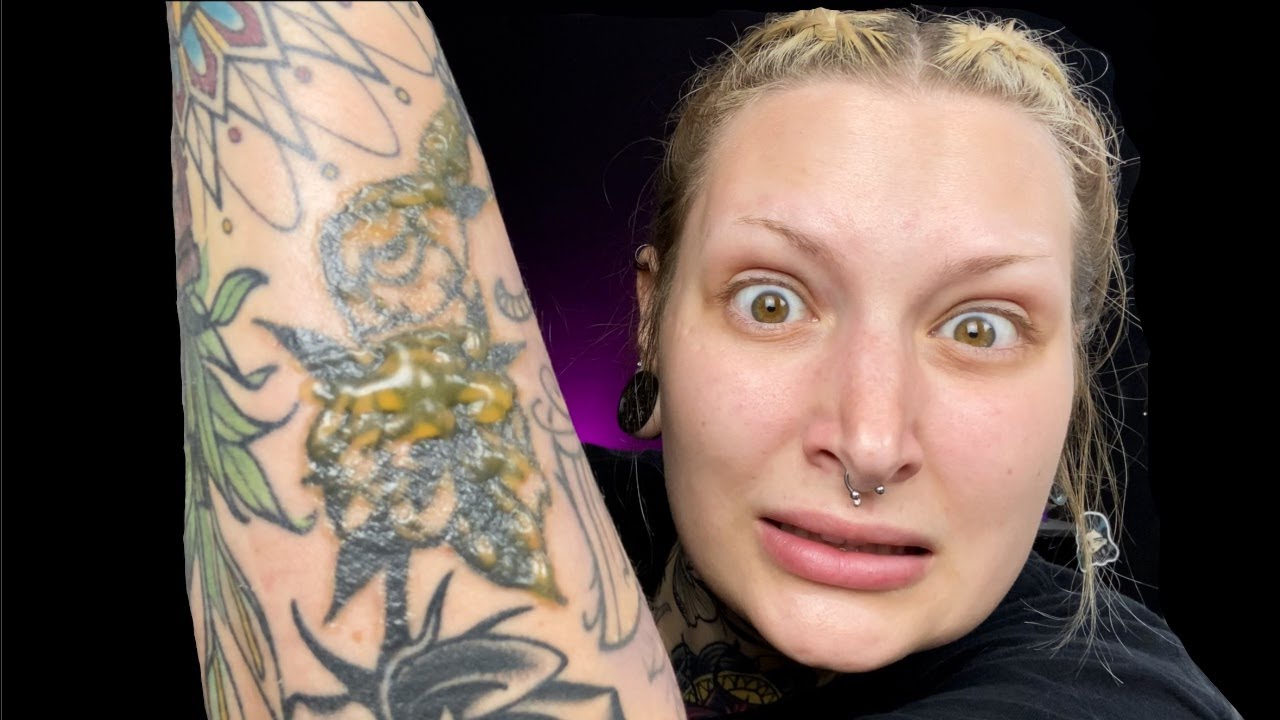
Update 60+ blisters after tattoo removal super hot in.eteachers

Update 64+ tattoo removal blisters best in.cdgdbentre
Tattoo removal gone wrong ‘I got a tattoo and ended up with third
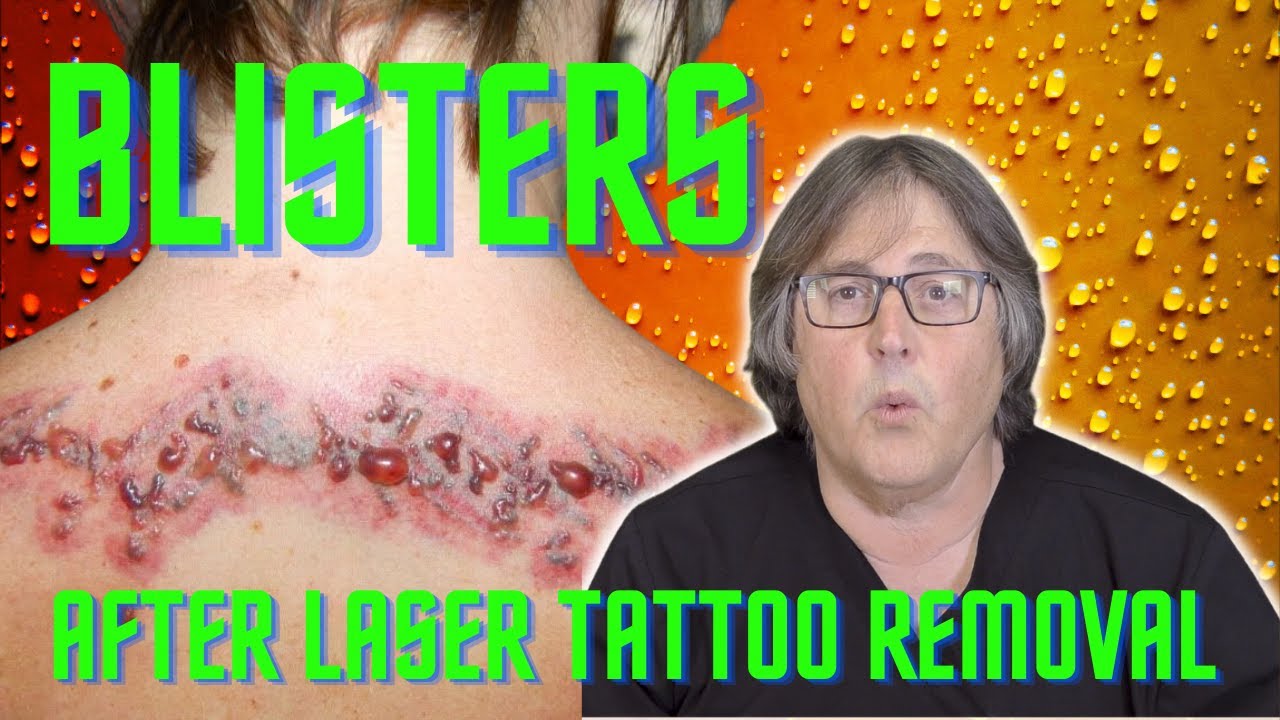
Blisters After Laser Tattoo Removal, Why And How To Treat Them YouTube
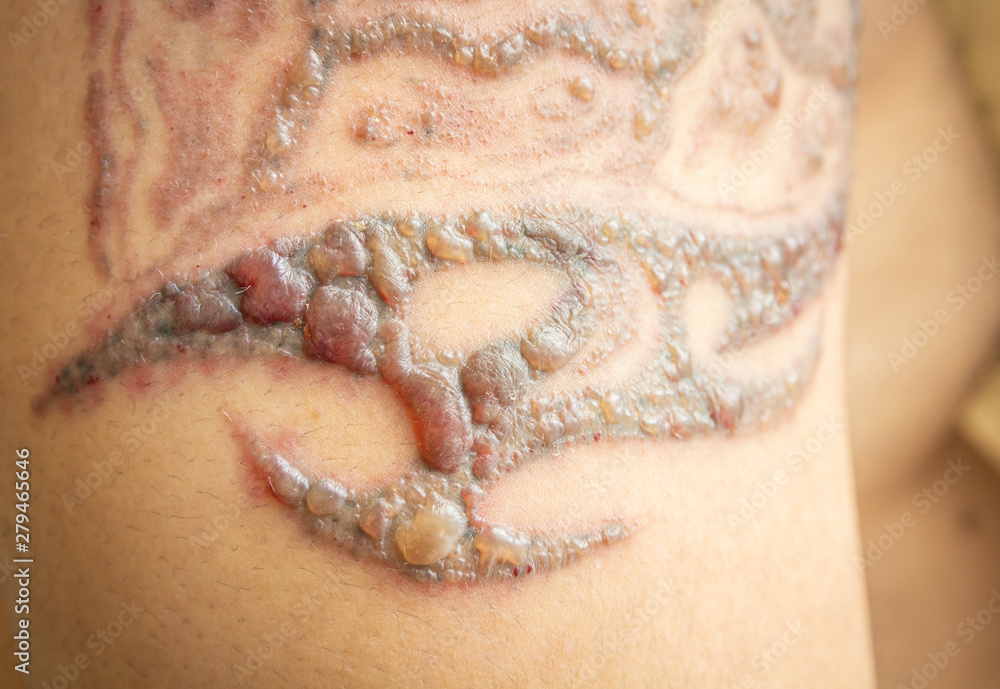
Blisters on Male Arm from Laser Tattoo Removal Stock Photo Adobe Stock
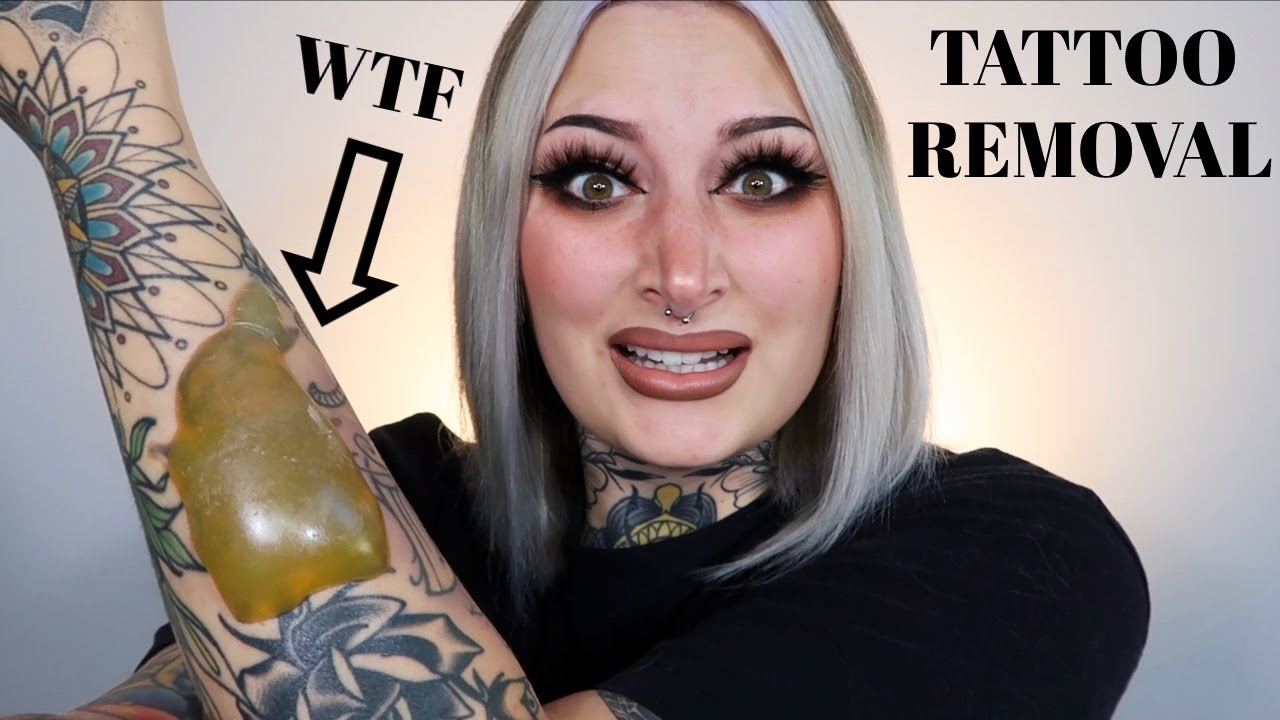
TATTOO REMOVAL Insane Blisters YouTube
Update 65+ tattoo removal blisters best thtantai2
This Can Introduce Bacteria And Lead To Infection.
The Success Of Tattoo Removal Creams Varies, And Many People Experience Skin Irritation After Using The Cream.
Therefore, Blisters Containing Ink And Water May Appear On Your Skin.
(Healing Time Can Vary Depending On Body Location).
Related Post:
